Check out Takumi’s NEW English youtube channel🎵
↓↓↓
https://www.youtube.com/@takuway
It's okay. It will all work out!

With the power of compassion.
You, the genius who lightens people's hearts.
You can do it without using words.


"FMT" stands for Fecal Microbiota Transplantation, a treatment that transfers gut bacteria from healthy individuals' stool into a patient's intestines.
Purpose: To reset disrupted gut flora to a healthy state.
The key to this new treatment is... poop!? Japan's first “stool donation” initiative launches in Tsuruoka, the city of food.

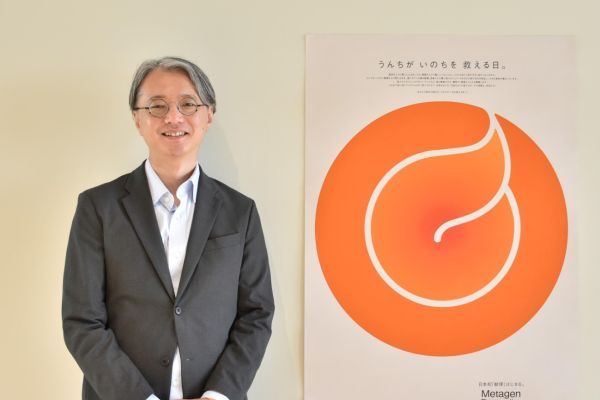
"Poop" as Medicine! Researchers Launch Startup
"Please donate your poop": Japan's First "Fecal Donation Room" opens in Yamagata prefecture
――Donors Receive Compensation
Fecal Microbiota Transplantation
Fecal microbiota transplantation (FMT) is a transplant technique being researched to achieve therapeutic effects by transplanting intestinal bacteria from healthy individuals into the digestive tract of target patients. It is also called intestinal bacteria therapy, fecal microbial transplantation, or the “poop pill.” While definitive evidence exists only for Clostridium difficile colitis, research is advancing for other gastrointestinal diseases (such as ulcerative colitis and Crohn's disease), as well as for neurological disorders and coronary artery disease [1]. Research has primarily been conducted in Europe and the United States [2]. As of 2017, it is not recognized as an insurance-covered treatment in Japan [3].
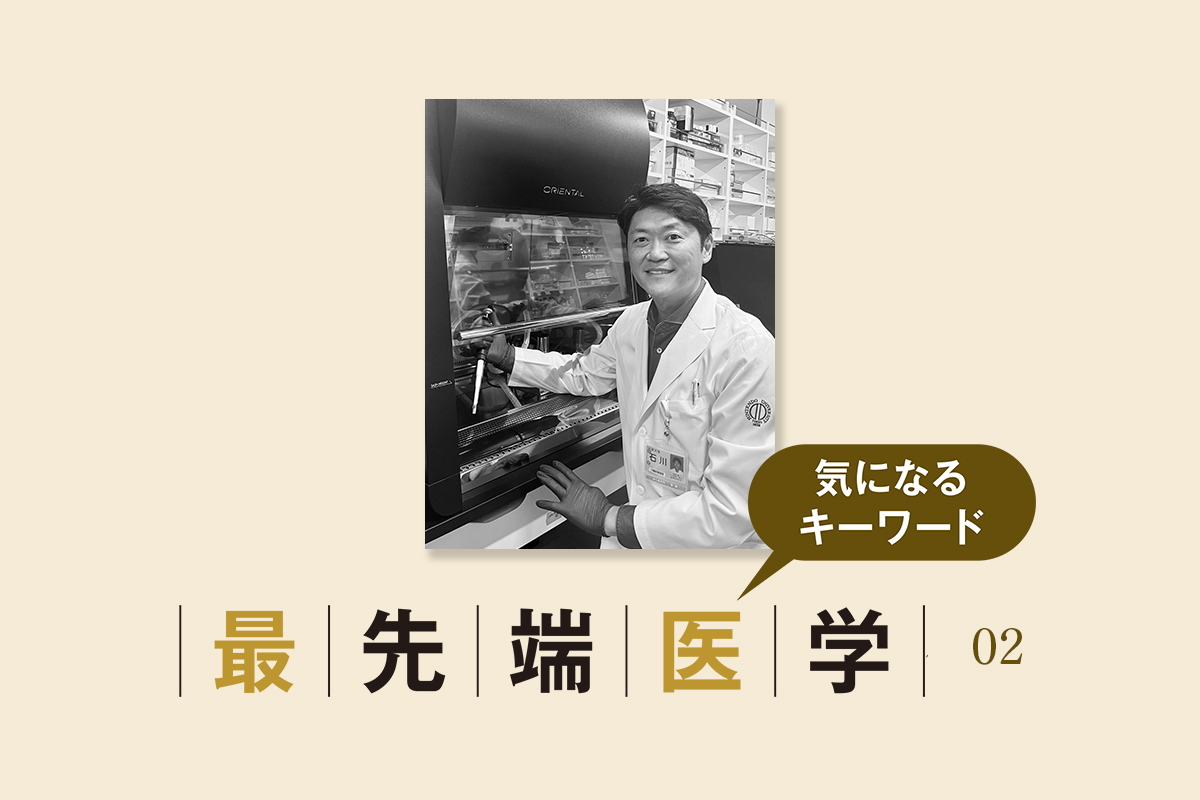


Keisuke Oshima IG live (55 min)
https://www.instagram.com/reel/DULabc-EjvB/?igsh=M3RjN3g4MnJ6NzY0
Keisuke Oshima’s Instagram Live (Reel)
↓↓↓
The Ultimate Team Building
What he calls an “ultimate team” is not simply a group that gets along well, but
“an energized, excited group that continues to deliver overwhelming results.”
Below is a theoretical breakdown of the construction process into four steps.
【Theoretical Summary】Keisuke Oshima's 4 stages of "Ultimate Team Building"
Oshima’s framework can be seen as a practical version of MIT Professor Daniel Kim’s “Success Loop Model” (Quality of Relationships → Quality of Thinking → Quality of Actions → Quality of Results).
Translated into Oshima’s language, it unfolds as follows:
Step 1:Building the foundation (Atmosphere and the Leader's State of Being)
Theory: Team performance is determined not by skills first, but by the atmosphere--the quality of relationships.
The leader’s most important job: Stay in a "good mood" A leader’s bad mood is the greatest toxin to a team.A cheerful, energized leader is the first step toward a powerful team.
Psychological safety: The leader believes in each member’s potential more than anyone else. Eliminate the atmosphere of “it’s probably impossible,” and cultivate one of
"I believe you can do it."Action: Raise the energy physically through things like serious morning meetings and high-fives.
Step 2:Sharing the Vision & "Pre-Celebration" (Yoshuku)
Quality of Thinking
Theory:People cannot perform at their best when they feel they are being “made to work.” "Excitement" is what maximizes brain performance.
Redefining goals: Instead of numerical targets (quotas), share the emotionally rich vishion beyond them: Who will be happy? What kind of joy or emotion will be created?
Introducing “Yoshūku” (celebrating in advance):
By celebrating the future achievement ahead of time and feeling the joy emotionally,
the brain switches into a “success mode.”This changes how difficulties are perceived—from obstacles to challenges.Action: Hold meetings where you imagine and celebrate first: “What kind of toast will we make when we succeed?” “Who will be moved to tears by this success?”
Step 3:Ownership and Creating "Your Moment" (Quality of Actions)
Theory:People become truly committed when they have a role (their moment) and when they decide for themselves.
Give people their moment: Instead of the leader doing everything, create roles where each member gets the spotlight.
Oshima’s definition of “being serious”:
Decide for yourself
Keep going
Enjoy it (the strongest state)
Action: Instead of top-down instructions, ask: “How do you think this could become even more fun?” Let members decide the solutions themselves.
Step 4:Mutual Support and a Culture of Gratitude (Quality of Results)
Theory:A culture of mutual encourgement produces results that exceed individual limits.
Chain of support:Build a culture where people genuinely support not only their own goals but also their teammates’ dreams. People can exert more power “for someone else” than “for themselves.”
Sharing gratitude: Express appreciation not only for results, but also for small contributions in the process. This further strengthens the quality of relationships (Step 1) and creates an upward spiral.
Summary:What Leaders Can Do Starting Tomorrow
In one sentence, this theory is about “the leader being the most excited person, believing in the team’s potential, and celebrating success in advance.”
Oshima often says:
“The team’s atmosphere is a copy of the leader’s atmosphere.”
Therefore, the very first step toward building an ultimate team is not skill training or system reform, but the leader first smiling, enjoying their own work, and setting the emotional tone.
The next book interview!
It's steadily progressing!


I bumped into friends

Thank you so much!

Lunch was fun too!


So many people gathered at Roppongi hills〜〜〜
Everyone is gathering around the light〜〜〜

Thank you for everything in New York!


Today I met Ayumu and Ako

See you there!


Thank you!
_______________________________


Link to Takumi Yamazaki’s
ENGLISH Book “SHIFT”
